


Price range: $15.00 through $30.00
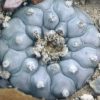
L.W Texas county variety El Paso – Authentic Lophophora williamsii El Paso Seeds
We stock L.W Texas county variety El Paso for growers who care about lineage, not just labels.
This is Lophophora williamsii El Paso, a named Texas locality seed line for serious collectors and conservation-minded growers.
Most peyote cactus El Paso Texas seeds on the market are generic mixes with no real origin tracking.
L.W Texas County Variety El Paso – Lophophora Williamsii El Paso Seeds
L.W Texas county variety El Paso is one of the most sought-after regional Lophophora williamsii seed lines we carry — and for good reason. If you’ve been searching for properly labeled, locality-specific peyote cactus El Paso Texas seeds, you already know the problem: most sellers don’t track origin, don’t label honestly, and don’t care about the line once the packet ships. We do this differently.
Why Lophophora Williamsii El Paso Matters to Serious Growers
Most Lophophora seeds floating around online are unlabeled mixes from unknown parents. That’s fine for casual growing, but it’s a dead end if you care about regional identity, accurate records, or long-term seed-grown collections.
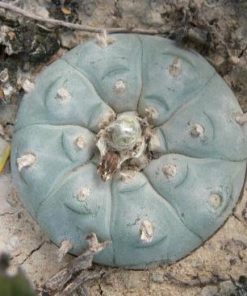
The El Paso line sits within the northern form of Lophophora williamsii — a distinction that matters both botanically and visually over time. According to researcher Jaroslav Bohata’s taxonomic work, the genus Lophophora splits into two core groups: the various forms of L. williamsii (northern and southern) and the L. diffusa complex. That separation is backed by differences in alkaloid chemistry, rib count, epidermis texture, and cultivation behavior.
Here’s what sets L. williamsii apart from L. diffusa forms at a glance:
- Rib count: L. williamsii maxes out around 13 ribs (generally straight), while L. diffusa forms can push up to 21 undulating ribs.
- Epidermis: L. williamsii has a tough, greyish-green skin versus the softer, yellow-green tissue of L. diffusa.
- Hardiness in cultivation: L. williamsii forms are more forgiving of grower errors — they tolerate occasional missteps that would rot a L. diffusa outright.
- Flower remains: L. williamsii retains dried flower remnants noticeably longer than other species in the genus.
When you grow from a labeled El Paso line, every one of those traits stays traceable. That’s the whole point.
What You Get With Our Lophophora Williamsii Texas County Variety Seeds
We keep this simple and honest:
- Fresh, viable seeds from cultivated Lophophora williamsii El Paso parent stock.
- Clear locality labeling — El Paso, Texas county variety — documented from our grow records.
- Seed-grown lineage that supports ethical cultivation and species preservation outside wild habitats.
No wild-harvested material. No vague “williamsii mix” labeling. No guessing what you planted three years from now.
These are slow-growing cacti — that’s the nature of the species, not a flaw. Seedlings start small. Growth is measured in months and years, not weeks. But the plants that result from patient, well-labeled seed projects are the ones collectors actually value long-term.
How to Germinate Lophophora Williamsii El Paso Seeds
Germination isn’t complicated, but it does require discipline over speed. Here’s the method we recommend:
- Container: Use a clean, sealed germination container (small plastic tubs with clear lids work well). Sterilize before use.
- Substrate: A fine mineral cactus mix — think pumice, perlite, and a small amount of fine potting soil. The mix should hold light moisture without sitting wet.
- Sowing: Scatter seeds on the surface. Do not bury them. Lophophora seeds need light contact to germinate.
- Temperature: Maintain steady warmth — around 75–85°F (24–29°C) consistently. Fluctuations slow things down.
- Light: Bright, filtered light. No direct sun on the container. Harsh light cooks seedlings before they establish.
- Moisture: Keep the container sealed for humidity in the first weeks. Crack it open briefly every few days for air exchange.
- Patience: Germination can take 1–4 weeks. Some seeds straggle in later. Don’t give up at day 10.
First-season priorities:
- Protect seedlings from harsh sun exposure.
- Let roots establish before even thinking about transplanting.
- Keep labels with your pots from day one — this is a Lophophora williamsii Texas county variety line, and that identity only holds value if your records do.
Who This Is For (and Who It’s Not For)
This is for you if:
- You grow Lophophora from seed and keep organized locality records.
- You’re building a long-term collection where regional lines and species identity matter.
- You want El Paso Texas williamsii genetics specifically — not a random grab bag.
- You understand that seed-grown Lophophora projects are multi-year commitments.
This probably isn’t for you if:
- You want fast results. These are not fast cacti.
- You don’t track labels or lineage. The value here is the provenance — without records, it’s just another unlabeled plant.
We’d rather be upfront about that than sell something that doesn’t match expectations.
Why Seed-Grown Lophophora Projects Matter
Every properly labeled seed-grown Lophophora williamsii plant is a small act of preservation. Wild populations face habitat pressure. Cultivated collections — especially those with accurate locality data like this El Paso line — help maintain genetic diversity and regional forms outside of threatened wild habitats.
This isn’t charity. It’s practical conservation through collecting, and it’s one of the few areas where hobbyist growers genuinely contribute to something bigger than their own shelves.
Related Pages
If you’re exploring our full Lophophora catalog, check out:
- Lophophora williamsii seeds (mixed and other locality lines)
- Lophophora seeds (all species and varieties)
- Cactus germination kits (everything you need to start clean)
FAQs — L.W Texas County Variety El Paso
What exactly is Lophophora williamsii Texas county variety El Paso?
It’s a regional seed line of Lophophora williamsii, the classic peyote cactus species, with documented parent stock originating from the El Paso, Texas locality. The “county variety” designation refers to the geographic identity of the line — it tells growers and collectors where the genetics trace back to.
How is this different from other Lophophora williamsii seeds?
The difference is provenance. All L. williamsii share core species traits — slow growth, low spineless body, ribbed form, taproot, and flowers at maturity. But regional lines like El Paso carry specific identity that matters for record-keeping, collection diversity, and long-term cultivation projects.
Are these seeds hard to germinate?
Not hard — just slow. With steady warmth, filtered light, a clean container, and a proper mineral substrate, germination rates are reasonable. The key is patience and hygiene, not advanced skill.
How fast does Lophophora williamsii grow from seed?
Slowly. Expect tiny seedlings in the first year. Visible, recognizable plants take several years of consistent care. This is a long-game species — plan accordingly.
How many ribs will these plants develop?
Lophophora williamsii typically produces up to 13 generally straight ribs at maturity. This distinguishes it clearly from L. diffusa varieties, which can develop more numerous, undulating ribs.
Do you ship internationally?
Check our shipping page for current policies and restricted regions. Seed legality varies by country and jurisdiction — it’s each buyer’s responsibility to know their local regulations before ordering.
How should I store seeds if I’m not sowing immediately?
Keep them in a cool, dry, dark place — a sealed container in the refrigerator works well. Properly stored Lophophora seeds can remain viable for a reasonable period, but fresher is always better for germination rates.
Seed-grown Lophophora collections start with one good decision: choosing labeled, honest seed stock and committing to the process. Our L.W Texas county variety El Paso seeds are here when you’re ready to grow this line right.
| Quantity | 6, 12 |
|---|
Be the first to review “L.W Texas county variety El Paso”
Related products
Lophophora Seeds
Lophophora Seeds
Lophophora Fricii seeds

Lophophora Seeds
Lophophora Seeds
Lophophora Seeds

Lophophora Seeds

Lophophora Seeds
Reviews
There are no reviews yet.